
Phone:+86-13952799285
Ang maikling sagot ay a sonic rechargeable electric brush nananatiling malinis at tumatagal nang mas matagal kapag mabilis itong nabanlaw pagkatapos ng bawat paggamit, isang pag-alis ng ulo ng brush at pagpapatuyo isang beses sa isang araw, at isang mas masusing paglilinis ng hawakan, base, at bristle grooves minsan sa isang linggo. Ang paglaktaw sa pang-araw-araw na pagbabanlaw ay ang nag-iisang pinakakaraniwang dahilan kung bakit nag-uulat ang mga mamimili ng nabawasan ang pagganap ng motor o hindi kanais-nais na amoy sa loob ng ilang buwan ng paggamit. Ang mga hakbang sa ibaba ay sumisira sa nakagawiang ito nang mas detalyado, kasama ang pangangatwiran sa likod ng bawat hakbang upang ang proseso ay makatuwiran sa halip na pakiramdam na parang isang arbitrary na checklist. Sinumang kumukuha o gumagawa ng a Sonic Rechargeable Electric Brush Ang linya ng produkto ay maaari ding gamitin ang gabay na ito bilang reference point kapag nagsusulat ng mga tagubilin ng user o packaging insert.
Araw-araw na Paglilinis para sa Ulo at Handle ng Brush
Pagkatapos magsipilyo, banlawan ang ulo ng brush sa ilalim ng umaagos na tubig nang humigit-kumulang sampung segundo habang naka-off ang motor, na nag-aalis ng karamihan sa nalalabi ng toothpaste at mga nalalabi bago ito matuyo at tumigas sa bristle base. Susunod, dahan-dahang hilahin ang ulo ng brush mula sa hawakan at banlawan ang metal shaft sa ilalim nito, dahil ito ang lugar kung saan ang moisture at paste na nalalabi ay kadalasang kumukuha. Ipagpag ang labis na tubig at hayaang umupo ang ulo nang hiwalay sa hawakan upang ang parehong bahagi ay matuyo sa hangin sa halip na ma-trap ang kahalumigmigan laban sa selyo. Ang pang-araw-araw na hakbang sa paghihiwalay na ito ay nagkakahalaga ng dagdag na ilang segundo dahil direktang pinoprotektahan nito ang waterproof seal na nagpapanatili sa panloob na motor na ligtas mula sa pagkasira ng tubig sa paglipas ng panahon.
- Banlawan ang ulo ng brush sa ilalim ng tubig na tumatakbo kaagad pagkatapos gamitin
- Alisin ang ulo at banlawan ang nakalantad na baras sa hawakan
- Ipagpag ang labis na tubig sa halip na punasan ng nakabahaging tuwalya
- Itago ang ulo at hawakan nang patayo upang maubos ang tubig mula sa base
Lingguhang Deep Clean para sa Bristle Buildup at Mineral Deposits
Minsan sa isang linggo, ibabad ang mga bristles ng ulo ng brush sa isang maliit na tasa ng maligamgam na tubig sa loob ng dalawa hanggang tatlong minuto upang lumuwag ang anumang pinatuyong toothpaste na hindi maaalis ng isang mabilis na banlawan lamang. Sa mga lugar na may matitigas na tubig mula sa gripo, maaaring mabuo ang mga deposito ng mineral sa base ng mga bristles, kaya ang maikling pagbabad sa magkapantay na bahagi ng tubig at puting suka isang beses bawat isa hanggang dalawang linggo ay nakakatulong na matunaw ang buildup na ito nang hindi nasisira ang bristle material. Pagkatapos magbabad, gumamit ng lumang malambot na toothbrush o cotton swab upang dahan-dahang linisin ang paligid ng base ng bristles at ang kwelyo kung saan kumokonekta ang ulo sa hawakan, dahil ang maliit na puwang na ito ay kung saan malamang na nagtatago ang dumi. Banlawan nang maigi pagkatapos upang walang nalalabi na suka bago ang susunod na paggamit.
Ang mismong katawan ng hawakan ay dapat punasan linggu-linggo gamit ang isang basang tela sa halip na ilubog, kahit na sa mga modelo na may mataas na rating ng water resistance, dahil ang paulit-ulit na buong paglubog ng hawakan sa loob ng maraming buwan ay maaaring unti-unting mawala ang mga seal nang mas mabilis kaysa sa pagpunas sa ibabaw. Ang pagkakaibang ito sa pagitan ng pagbabanlaw ng ulo at pagpupunas ng hawakan ay isa sa mga mas karaniwang punto ng pagkalito na itinataas ng mga mamimili kapag nagsusulat ng mga manwal ng gumagamit, kaya naman karaniwang malinaw na pinaghihiwalay ng dokumentasyon ng tagagawa ang dalawang tagubilin sa pangangalaga.
Pag-unawa sa Mga Waterproof na Rating Bago Mo Ilubog ang Anumang Bahagi
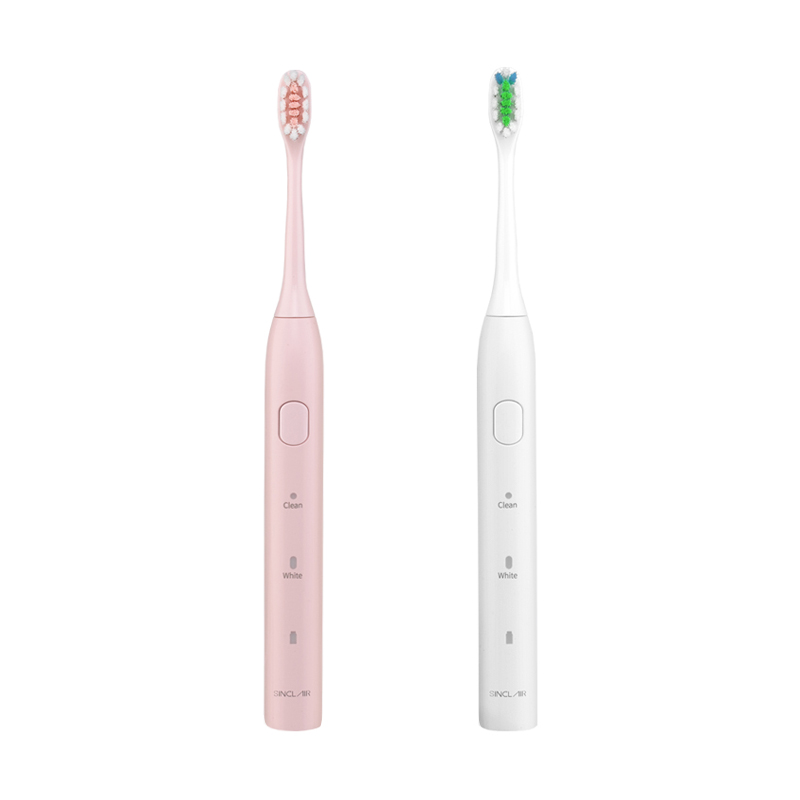
Karamihan sa mga sonic rechargeable electric brush handle ay may IPX rating na nagsasaad kung gaano karaming tubig ang kayang tiisin ng sealed housing, at ang rating na ito ay dapat palaging suriin bago ipagpalagay na ang isang handle ay maaaring ganap na lumubog o magamit sa shower. Ang isang handle na na-rate para sa splash resistance ay hindi katulad ng isa na na-rate para sa ganap na paglubog, at ang pagtrato sa dalawa sa parehong paraan ay isang nangungunang sanhi ng napaaga na pagkabigo ng motor na iniulat sa panahon ng pagsusuri ng warranty sa mga sesyon ng pagsubok ng produkto ng Ningbo Huiho. Ang talahanayan sa ibaba ay nagbubuod ng mga karaniwang tier ng rating at kung ano ang karaniwang pinapayagan ng bawat isa sa mga praktikal na tuntunin sa paglilinis.
| IPX4 | Lumalaban sa splash | Ligtas para sa pagbanlaw ng lababo, hindi para sa ganap na paglubog |
| IPX6 | Lumalaban sa malakas na jet ng tubig | Ligtas para sa paggamit ng shower, panandaliang pagkakalantad lamang |
| IPX7 | Pansamantalang paglubog na lumalaban | Ligtas para sa panandaliang pagbabanlaw sa ilalim ng tubig, hindi para sa matagal na pagbabad |
Ang mga contact sa pagcha-charge at ang mismong base ng pagcha-charge ay hindi kailanman dapat ilubog anuman ang rating ng hawakan, dahil ang base ay karaniwang nagtataglay ng mga nakalantad na contact sa kuryente na hindi selyado sa parehong paraan kung paano ang hawakan ng brush.
Nililinis ang Charging Base Nang Hindi Nasisira ang Mga Contact
Tanggalin sa saksakan ang charging base bago ito linisin, pagkatapos ay punasan ang mga contact point at ang nakapalibot na tray gamit ang isang tuyo o bahagya na basang tela upang alisin ang alikabok at anumang halumigmig na tumutulo mula sa hawakan pagkatapos banlawan. Ang isang cotton swab na bahagyang basa ng tubig ay gumagana nang maayos para maabot ang maliliit na uka sa paligid ng mga charging pin nang hindi nagpapapasok ng labis na kahalumigmigan. Hayaang matuyo nang lubusan ang base bago ito isaksak muli, dahil ang paglalagay ng basang basang base pabalik sa labasan ay isang maiiwasang panganib na maaalis ng simpleng paghihintay ng ilang minuto. Ang paggawa nito nang isang beses sa isang linggo kasama ng malalim na malinis na gawain ay nagpapanatili sa koneksyon sa pag-charge na maaasahan at nakakatulong na maiwasan ang mga pasulput-sulpot na isyu sa pag-charge na minsan ay napagkakamalang pagkabigo ng baterya.
Mga Karaniwang Pagkakamali sa Paglilinis na Nagpaikli sa Buhay ng Produkto
Paggamit ng mga Malupit na Kemikal sa Bristles
Ang mga bleach at malalakas na disinfectant spray ay maaaring masira ang bristle na materyal nang mas mabilis kaysa sa maligamgam na tubig at banayad na sabon, kaya dapat itong iwasan sa pangkalahatan kahit na ang mga ito ay tila isang mas malakas na opsyon sa paglilinis. Kung sa tingin ng sanitizing ay kinakailangan, ang isang maikling paglubog sa isang alcohol-based na mouthwash na diluted na may tubig ay isang mas banayad na alternatibo na mas matitiis ng karamihan sa mga bristle na materyales.
Pag-iiwan sa Ulo na Nakadikit Habang Nag-iimbak
Ang pag-iwan sa ulo ng brush na nakakabit sa hawakan ay nakakakuha ng moisture laban sa seal nang tuluy-tuloy sa halip na hayaang matuyo nang hiwalay ang dalawang bahagi, na isa sa mga mas hindi napapansing mga gawi na nauugnay sa pinababang tagal ng seal sa pangmatagalang pagsubok ng produkto.
Nilaktawan ang Pagpapalit ng Bristle Head
Ang mga balahibo na pagod na o napunit ay hindi na ganap na maibabalik sa pamamagitan ng paglilinis nang nag-iisa, at ang patuloy na paggamit ng pagod na ulo ay nakakabawas sa pagiging epektibo ng paglilinis kahit gaano pa kahusay na sinusunod ang natitirang gawain. Pangkalahatang patnubay sa kalinisan ng ngipin ay karaniwang nagrerekomenda na palitan ang ulo ng brush halos bawat tatlong buwan, o mas maaga kung ang mga balahibo ay mukhang napunit, at ang parehong agwat na ito ay nalalapat din sa mga sonic rechargeable electric brush head.
Inirerekomendang Iskedyul ng Paglilinis sa isang Sulyap
| Banlawan ang ulo at baras ng brush | Pagkatapos ng bawat paggamit |
| Punasan ang katawan ng hawakan | Linggu-linggo |
| Ibabad ang mga bristles sa maligamgam na tubig o diluted na suka | Linggu-linggo to every two weeks |
| Malinis na base sa pag-charge at mga contact | Linggu-linggo |
| Palitan ang ulo ng brush | Humigit-kumulang bawat tatlong buwan |
Pag-troubleshoot ng Amoy at Pagbubuo na Hindi Mapapawi
Kung nagpapatuloy ang mabahong amoy kahit na pagkatapos ng regular na pagbabanlaw, ang pinaka-malamang na dahilan ay ang nakulong na kahalumigmigan sa loob ng kwelyo kung saan ang ulo ay nakakatugon sa hawakan sa halip na ang mga bristles mismo, kaya ituon ang susunod na malalim na paglilinis sa puwang na iyon partikular na gamit ang cotton swab. Ang isang puting pelikula na hindi mapupunas sa paligid ng base ng mga bristles ay kadalasang naipon ng mineral na deposito mula sa matigas na tubig, at ang suka na inilarawan kanina ay kadalasang nireresolba ito sa loob ng isa o dalawang cycle ng paglilinis. Kung ang amoy o pagkawalan ng kulay ay nagpapatuloy pagkatapos ng masusing malalim na paglilinis at isang sariwang kapalit na ulo, maaari itong magpahiwatig na ang kahalumigmigan ay umabot sa panloob na selyo, at sa puntong iyon ang patuloy na paggamit ay hindi ipinapayong dahil ang selyadong motor housing ay hindi nilayon na buksan o ayusin sa bahay.
Mga tagagawa na nagpapaunlad o pribadong-label a Sonic Rechargeable Electric Brush Madalas na may kasamang pinasimple na bersyon ng gabay sa pag-troubleshoot na ito ang produkto nang direkta sa insert ng packaging, dahil binabawasan ng malinaw na mga tagubilin sa pangangalaga ang mga maiiwasang claim sa warranty at tinutulungan ang mga end user na magkaroon ng mas mahabang buhay na gumagana sa labas ng produkto.